All Categories
Featured
Table of Contents
"I would not be able to run my reselling business without Vendoo, and I definitely wouldn't have the time to do Youtube. Vendoo has actually taken 90% of the work and 99% of the mess of crosslisting, and has actually helped me more than double my sales from single marketplace selling. In between the increased reach for my listings, and the comfort their automated de-list feature affords me, it's definitely integral to my success!".
As an online seller, you have actually no doubt captivated the possibility of offering on numerous marketplaces in the past. It's a basic method to get more eyes on your products by revealing them to more purchasers, diversify your sales channels, and grow your business. Why do not all sellers offer on multiple markets? The significant obstacle of selling on several marketplaces concurrently is obvious every new platform you sell on is another store you'll need to handle, with stock you'll require to keep in sync, customers you'll have take care of, marketplace rules and policies you'll need to abide by, and more.
In this guide, we'll go over how to list on multiple platforms, comprehend how to sell on several markets concurrently, examine some popular marketplaces to think about for multichannel selling, and detail some best practices to follow when offering on multiple marketplaces. Selling on numerous markets has lots of possible advantages for online sellers.
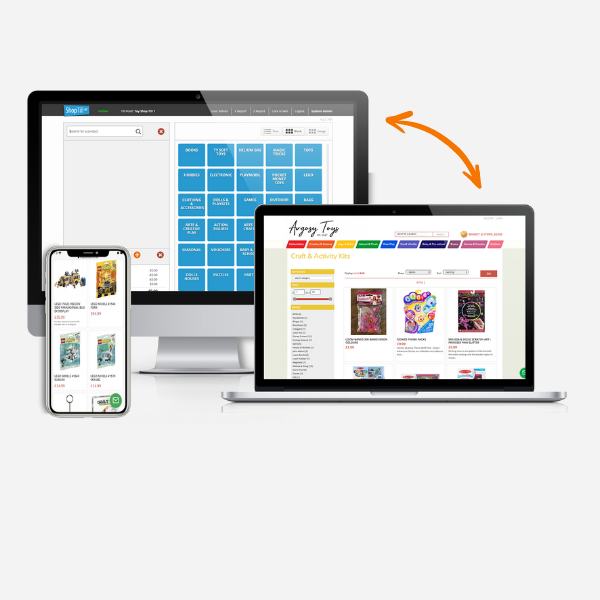
In this section, we'll discuss the main benefits of offering on several markets to help you comprehend why a lot of ecommerce sellers select multichannel commerce to grow their organization. In today's ecommerce landscape, most consumers have their favored shopping platforms, which they seldom (if ever) stray from. Rather than trying to find an item on the wider internet, they'll hop onto their ecommerce marketplace or social networks platform of option, and start their search there.
Simply put, with every extra selling channel, you'll expand your swimming pool of prospective purchasers, enabling you to reach a broader audience with your products. When you offer on just one channel, you put the totality of your ecommerce organization in the hands of a single market. This suggests that everything from an incorrect claim by a buyer, a streak of bad feedback due to a defective batch of items, a wave of shipping hold-ups due to bad weather, or a modification in policy that requires a few days for verification can lead to your service grinding to a halt.
Navigating Global Inventory Sync for Modern Retail
Aside from more revenue streams, more selling channels indicate a more powerful online presence and increased brand awareness. This has numerous benefits, among them increased trustworthiness for your brand name in the eyes of possible purchasers. A seller who offers on just one marketplace may offer first-class items, competitive costs, and excellent service, however single stores appear less trustworthy to possible buyers, who are utilized to shopping at retail chains or through established online merchants.
For ecommerce sellers aiming to sell on multiple markets, there is no lack of markets to consider. Each market has its benefits and drawbacks, and which ones might work for your service will depend greatly on what you sell, what kind of selling experience you're looking for, and what your objectives are when growing your single ecommerce shop into a multichannel ecommerce organization.
Synchronizing Digital Inventory Across All Sales ChannelsNo matter what you offer, opportunities are that you'll be able to list and offer it on Amazon. And while this suggests that a big number of shoppers will default to Amazon for almost anything they're looking to buy, it also implies that you're most likely to come across fierce competitors as a seller on the platform, specifically given that Amazon themselves are basically a competing seller.
Luckily, with EasyChannel, you'll be able to quickly note on Amazon while managing your listings directly through EasyChannel's easy interface. An unusual favorite among buyers and sellers alike, eBay is a fantastic, low-risk choice for ecommerce sellers wanting to include another selling channel to their repertoire. eBay is a smaller sized market than Amazon, and, unlike Amazon, does not sell products to buyers on the platform.
Best Tactics for Scaling Cross-Platform Sales
Furthermore, sellers on eBay have an option in between several types of purchasing formats, from fixed-price listings to auctions to finest offers, allowing for much more selling and rates flexibility than other markets. Plus, with EasyChannel's eBay listing tool, you can note your products on eBay and be up and running in no time! Etsy is a niche-oriented market for sellers selling craft supplies, handmade/custom items, and vintage products.

Latest Posts
Proven Tips for Synchronizing Digital Inventory Systems
Is Hyper-Local Delivery a Priority in 2026 Growth?
Future-Proofing Your Retail Workflow for 2026